Introduction
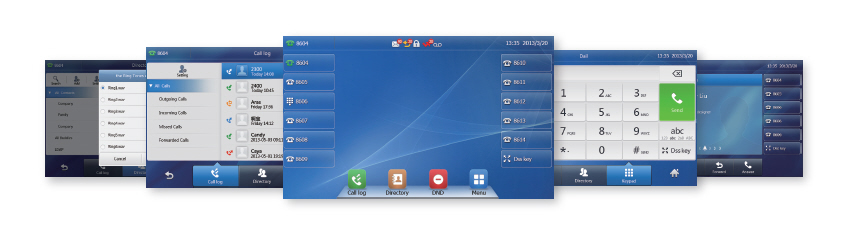
As technology continues to evolve, companies must adapt to stay relevant. One of the most VoIP Phone Service significant transformations in communication technology is the shift toward Voice over Internet Protocol (VoIP) phone services. VoIP offers businesses a cost-effective and flexible solution, but preparing your IT infrastructure for these changes is critical. In this article, we'll explore everything you need to know about "Preparing Your IT Infrastructure for Upcoming Changes in VOIPs," including how to make the transition seamless and effective while maximizing the benefits that come with adopting VoIP.
Understanding VoIP Phone Service
What is VoIP?
VoIP, or Voice over Internet Protocol, allows users to make voice calls using the internet rather than traditional phone lines. This technology converts analog audio signals into digital data packets that travel over the internet, providing an efficient way to communicate.
How Does VoIP Work?
VoIP works by utilizing different protocols that manage how voice data is transmitted over the internet. These include:
- SIP (Session Initiation Protocol): Initiates and controls communication sessions. RTP (Real-time Transport Protocol): Ensures timely delivery of audio and video streams. H.323: A standard for real-time communication that includes audio, video, and data conferencing.
Why Choose VoIP Phone Service?
There are several compelling reasons to consider implementing a VoIP phone service:
Cost Savings: VoIP typically reduces long-distance calling costs significantly. Flexibility: Users can make and receive calls from anywhere with an internet connection. Scalability: Adding new users or features can often be done without significant infrastructure changes. Enhanced Features: Many VoIP services come with built-in features like voicemail-to-email, call forwarding, and video conferencing.Preparing Your IT Infrastructure for Upcoming Changes in VOIPs
Transitioning to VoIP requires a thorough assessment of your current IT infrastructure. Here’s how you can prepare effectively:
1. Evaluate Current Infrastructure
Assess Network Performance
Before implementing VoIP technology, assessing your organization's current network performance is vital. Identify bandwidth availability and latency issues that may impact call quality.
Inventory Existing Hardware
Take stock of your existing hardware components such as routers, switches, and phones to determine if they are compatible with VoIP systems.
2. Ensure Sufficient Bandwidth
Understanding Bandwidth Requirements
The number of concurrent calls you intend to handle will dictate your bandwidth requirements. A general rule of thumb is that each call requires approximately 100 kbps of bandwidth.
Upgrade Internet Connection
If necessary, consider upgrading your internet connection to support increased demand during peak usage times.
3. Implement Quality of Service (QoS)
What is Quality of Service?
Quality of Service (QoS) refers to various techniques used in network management to prioritize certain types of traffic over others.
Configuring QoS Settings
Ensure your network devices are configured correctly so that voice traffic receives priority over less time-sensitive data like emails or file downloads.
4. Security Considerations
Understanding Potential Threats
VoIP systems can be susceptible to threats like eavesdropping, denial-of-service attacks, and toll fraud.
Implement Security Measures
Protect your system by using firewalls specifically designed for VoIP traffic and employing encryption methods such as SRTP (Secure Real-Time Transport Protocol).
Integrating New Technology with Existing Systems
Choosing Compatible Devices
When transitioning to a VoIP system, selecting devices compatible with your chosen service provider is essential:

- VoIP Phones: Ensure they support necessary codecs and protocols. Adapters: Use analog telephone adapters if you want to connect traditional phones.
Training Employees on New Systems
Transitioning can be challenging without proper training:
- Conduct Workshops: Organize sessions where employees can familiarize themselves with new tools. Create Guides: Develop manuals or online resources for quick reference during the transition period.
Evaluating Different VoIP Providers
Key Features to Consider
When evaluating different providers for your business's needs:
Call Quality Customer Support Pricing Structure Additional FeaturesComparing Plans
Consider creating a comparison chart highlighting what each provider offers regarding features and pricing plans:
| Feature | Provider A | Provider B | Provider C | |------------------------|------------|------------|------------| | Call Quality | Excellent | Good | Average | | Customer Support | 24/7 | Limited | 24/7 | | Pricing | $20/user | $15/user | $25/user | | Additional Features | Yes | No | Yes |
Testing Your System Before Full Implementation
Conducting Pilot Programs
Before fully transitioning all users onto a new system:
Start with a small group within your organization. Gather feedback about call quality and usability.Troubleshooting Common Issues
Be prepared for potential hiccups during testing:
- Audio delays Dropped calls Connection issues
Monitoring Performance Post-Implementation
Once you've implemented your new VoIP service:
Analytical Tools
Use analytical tools provided by your service provider or third-party applications for monitoring performance metrics such as call volume and quality scores.
Regular Check-Ups
Schedule regular assessments every few months after implementation to ensure continued optimal performance.
FAQs About Preparing Your IT Infrastructure for Upcoming Changes in VOIPs
FAQ 1: What equipment do I need for VoIP services?
You will need compatible IP phones or adapters if you're using traditional phone systems, routers capable of handling QoS settings, switches if you're connecting multiple devices via Ethernet cables, and a robust internet connection.
FAQ 2: How can I ensure good call quality on my VoIP system?
To achieve good call quality on your VoIP system, ensure sufficient bandwidth by upgrading your internet connection if necessary; implement QoS settings on routers; use wired connections instead of Wi-Fi when possible; and regularly monitor network performance metrics.
FAQ 3: Is it safe to use VoIP services?
While there are security risks associated with any technology platform—including eavesdropping or denial-of-service attacks—implementing strong security measures such as firewalls designed specifically for voice traffic encryption methods like SRTP can mitigate these risks significantly.
FAQ 4: Can I keep my existing phone numbers when switching to a new provider?
Most reputable providers offer number porting services allowing you to retain existing numbers seamlessly during transitions between providers—be sure always double-check this option beforehand!
FAQ 5: How do I choose the right VoIP provider for my business?
Evaluate various factors including pricing structures; available features; customer support options; overall reputation based on user reviews—and always request demos before committing!
FAQ 6: Will my employees need training on using new technology effectively after implementing VOIPs?
Yes! Proper training through workshops or guides ensures everyone feels comfortable navigating any new tools introduced along with their daily tasks which ultimately leads towards smoother operations overall!

Conclusion
In conclusion, effectively preparing your IT infrastructure for upcoming changes in VOIPs involves careful planning across various domains - from evaluating current hardware capabilities down through employee training initiatives post-deployment! Embracing this transformative communication technology not only enhances operational efficiency but also enhances collaboration opportunities within teams globally—leading organizations toward achieving greater success overall! So don’t wait too long—start assessing today how best you can transition smoothly into this dynamic digital age!